
Trademark Application Rejected? Your Specimen May Be the Problem
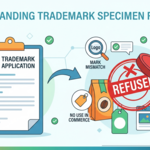
Trademark Application Rejected? Your Specimen May Be the Problem In the United States, trademark rights exist upon actual use in commerce of a mark. A specimen is proof that your trademark is actively used in commerce. The USPTO requires a specimen with every trademark application that is based on commercial usage in the US, and specimen errors are among the most common reasons for office actions (ie., refusals). Understanding what qualifies - and what doesn't - can mean the difference between a smooth registration and costly delays. Trademark registration is rarely as straightforward as it seems. You've selected a strong mark, conducted a clearance search, and submitted your application—only to receive an office action from the United States Patent and Trademark Office (USPTO) flagging your specimen. It's a frustrating setback, but it's also a common one. Specimen issues account for a significant portion of USPTO office actions. The good news: most are avoidable with the right preparation. This article walks through the most frequent specimen problems that arise during trademark prosecution, why they matter, and how to address them before they derail your application.