

Can You Register a Trademark Containing the US Flag?
Many businesses look for powerful symbols to represent their brand. The American flag, with its deep connections to patriotism and national pride, might seem like a perfect element for a logo or trademark. However, using national symbols in your branding comes with specific legal hurdles. Before you invest in a logo featuring the Stars and Stripes, it's crucial to understand the rules set by the United States Patent and Trademark Office (USPTO). Depending on how you use the flag as part of your trademark, you may not be able to seek a federal trademark registration.
This article will explain the legal framework, specifically Section 2(b) of the Lanham Act, that governs the use of flags in trademarks. We will explore the key restrictions, examine exceptions where such marks have been approved, and offer practical guidance for business owners.
The Lanham Act and National Symbols
Pursuant to the Trademark Manual of Examination Procedure, specifically § 1204.01(a), any application for a trademark that has a “true representation” of the US flag will be refused registration under §2(b) of the Lanham Act.
The primary law governing trademarks in the United States is the Lanham Act. Section 2(b) of this act prohibits the registration of a trademark that "consists of or comprises the flag or coat of arms or other insignia of the United States, or of any State or municipality, or of any foreign nation, or any simulation thereof." The word "simulation" in the statute "is used ... in its usual and generally understood meaning, namely to refer to something that gives the appearance or effect or has the characteristics of an original item." In re Advance Indus. Sec., Inc., 194 USPQ 344, 346 (TTAB 1977).
On its face, this language seems like a complete ban. The USPTO's goal is to prevent the commercial use of marks that could falsely suggest a connection with a government authority or disrespect national symbols. The office generally refuses any trademark application where the flag is the dominant feature of the mark.
A trademark is considered to "consist of" the flag if the flag is the entire mark. It "comprises" the flag if the flag is a component of a larger design. The law is designed to protect the integrity of these symbols and prevent them from being monopolized by a single commercial entity.
What Constitutes the "Flag" in a Trademark Context?
The USPTO's interpretation of "flag" is quite broad. It includes not just a perfect, photorealistic representation of the U.S. flag but also designs that would be commonly recognized as such. This means a stylized flag, a partial flag, or even a design that uses the characteristic stars and stripes in a way that evokes the national flag could fall under the Section 2(b) prohibition. Such a refusal can be raised regardless of whether other material (wording, images) appears along with the flag. See, In re Family Emergency Room, 121 USPQ2d 1886 (TTAB 2017)
The key test is whether the public would perceive the design as being the U.S. flag or a simulation of it. If your logo features a prominent bald eagle against a backdrop of red and white stripes and a blue field of stars, the USPTO will likely see it as an insignia of the United States and refuse registration. Like many things that arise as part of the USPTO Examination process, there is often a subjective element to this, such that 2 different examining attorneys may come to opposite conclusions.
Exceptions and Nuances: When Can a Flag Be Used?
Despite the strict language of the Lanham Act, trademarks containing flag elements are sometimes registered. Indeed, if you were to search the USPTO's database, you would likely find that many trademarks with a US flag element successfully registered. So what gives? The key to approval often lies in how the flag is incorporated into the overall design. The USPTO may permit registration if the flag is presented in a way that is not the dominant feature and does not create a false sense of government connection.
For example, a flag design would be registrable if:
- It formed another design, number, or letter;
- It was substantially obscured by other matter in the logo;
- It was not in the normal flag shape;
- A significant feature of the flag was in a different color; or
- A significant feature of the flag was changed.
Forms Another Design, Number or Letter
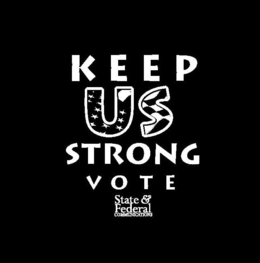
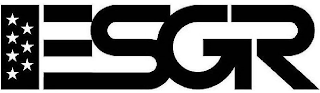
There are a variety of trademarks that have successfully registered at the Federal level where the flag element makes up a part of another design, number or letter.
Some real-world examples of successful registrations include (Presented for "Fair Use" as defined under the Copyright Act only, no claim is made as to the ownership of the logo marks in question; all marks the property of the respective rights holders):
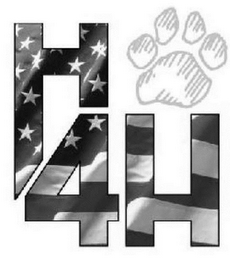
US Registration Number: 4509942
|
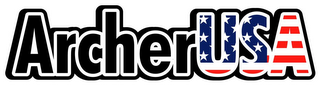
US Registration Number: 4018357
|
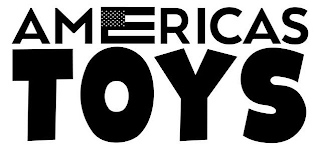
US Registration Number: 5878210
|
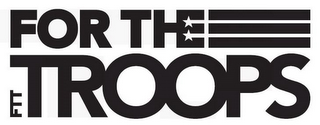
US Registration Number: 4659300
|
US Registration Number: 4471698
|
US Registration Number: 6199532
|
Not in the Normal Flag Shape
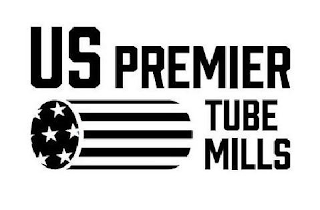
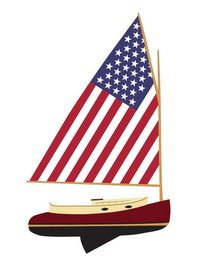
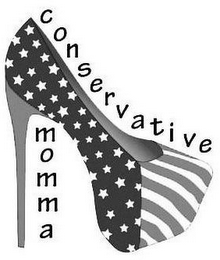
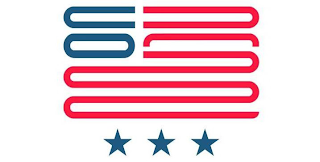
One major exception involves designs that are so stylized or distorted that they no longer look like a simulation of the actual U.S. flag. If the flag elements are part of a much larger, more complex design, and they do not dominate the mark, the USPTO might allow it.
For example, a logo that uses a single wavy stripe or a few scattered stars as part of a broader, abstract design might not be refused under Section 2(b). The design must be sufficiently unique and creative so that the average person does not immediately and solely see it as the U.S. flag. The more the flag element is integrated and overshadowed by other design components, the higher the chance of approval.
Some real-world examples of successful registrations include (Presented for "Fair Use" as defined under the Copyright Act only, no claim is made as to the ownership of the logo marks in question; all marks the property of the respective rights holders):

US Registration Number: 4669418
|
US Registration Number: 7270103
|
US Registration Number: 5640428
|

US Registration Number: 4805143
|
US Registration Number: 5416521
|
US Registration Number: 7107135
|
Part of a Larger, Registrable Mark
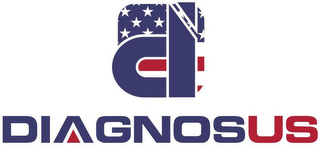
Another path to registration is when the flag is a minor, non-dominant component of a larger, distinctive trademark. Consider a logo for a company that sells patriotic apparel. The logo might feature the company's name in a unique font, with a small, stylized flag element tucked into a corner. Another possibility is where the flag element is significantly obscured by text or other design elements.
In this scenario, the primary, source-identifying feature of the mark is the company name or the overall logo design, not the flag itself. The USPTO may determine that the flag element is merely decorative and does not mislead consumers into believing the brand is government-endorsed. The trademark's commercial impression must come from the other elements, with the flag serving as a secondary, ornamental feature.
Some real-world examples of successful registrations include (Presented for "Fair Use" as defined under the Copyright Act only, no claim is made as to the ownership of the logo marks in question; all marks the property of the respective rights holders):

US Registration Number: 3991492
|
US Registration Number: 5118430
|

US Registration Number: 5884427
|

US Registration Number: 7148085
|
Flag Designs that Have Failed to Register
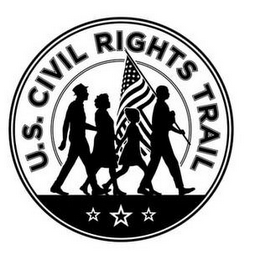
The determination of Sec. 2(b) in relation to a trademark design logo with a flag can be rather subjective. If an examining attorney issues a refusal, you always have the option of appealing to the TTAB (Trademark Trial and Appeal Board), but that can be a costly proposition, and the TTAB affirms refusals more often than it overrules/reverses the determination of the examining attorney.
Some real-world examples of successful registrations include (Presented for "Fair Use" as defined under the Copyright Act only, no claim is made as to the ownership of the logo marks in question; all marks the property of the respective rights holders):

US Serial Number: 78963901
|
US Serial Number: 87599292
|
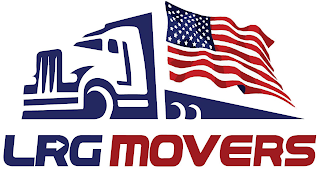
US Serial Number: 97826105
|
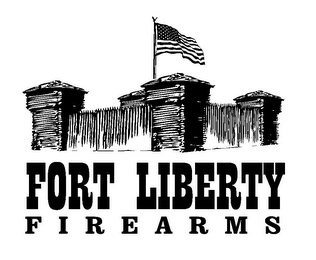
US Serial Number: 77591260
|
Practical Advice for Businesses
If you are considering a trademark that incorporates the U.S. flag, proceed with caution. Looking at the exceptions listed above, it is often a good idea to try and ensure that your design logo can argue to fall under multiple of the exceptions. Here are some practical steps to take:
- Make the Flag a Minor Element: Ensure the flag is not the dominant part of your logo. It should be a supporting feature, not the main focus. The source-identifying power of your trademark should come from other elements, like your brand name or a unique design.
- Stylize and Integrate: Avoid using a realistic depiction of the flag. Instead, create a stylized or abstract version that is woven into a larger design. The less it looks like an actual flag, the better your chances of registration.
- Avoid a False Connection: Your trademark must not imply any official sponsorship, approval, or connection to the U.S. government or any of its agencies. The overall impression of the mark should be clearly commercial.
- Conduct a Thorough Trademark Search: Before finalizing your design, conduct a comprehensive search of the USPTO database. Look for registered marks that are similar to yours. Seeing what has been approved—and what has been refused—can provide valuable insight into how the USPTO might view your application.
- Consult a Trademark Attorney: The rules surrounding the use of national symbols are complex and highly nuanced. An experienced trademark attorney can review your proposed design, assess the risk of refusal under Section 2(b), and provide strategic advice on how to create a strong, registrable mark. This initial investment can save you significant time and money in the long run.
Conclusion
While the Lanham Act places significant restrictions on using the U.S. flag in trademarks, it is not an absolute ban. Success hinges on ensuring the flag is not the dominant feature and does not create a misleading association with the government. By thoughtfully integrating stylized flag elements into a larger, unique design, businesses can create a patriotic brand identity that is also legally protectable. By the way, it should be noted that the same rules apply to flags of foreign nations as well!
Navigating the complexities of trademark law requires careful planning and expert guidance. By understanding the rules and seeking professional legal advice, you can increase your chances of successfully registering your brand and protecting your intellectual property.

